
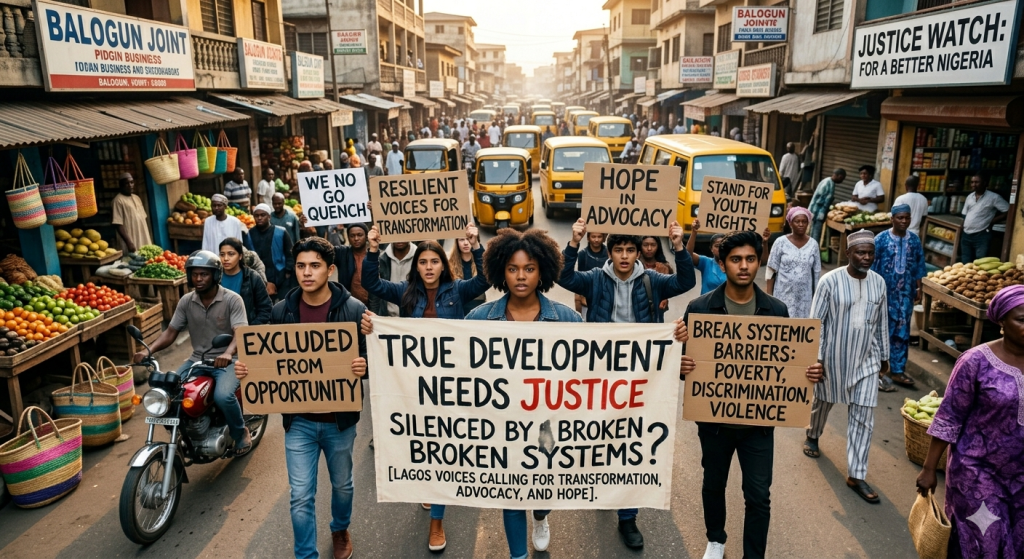
True development cannot exist where young people are denied justice, silenced by
broken systems, or excluded from opportunities that allow them to reach their full
potential. Across the world, many youths continue to face systemic barriers rooted
in inequality, poverty, discrimination, violence, and social exclusion. Yet, despite
these challenges, young people remain resilient voices for transformation,
advocacy, and hope.
These realities formed the foundation of the impactful workshop titled “From
Systems to Self-Determination: Youth Voices, Justice, and Opportunity” during
the 13th International Youth Conference organized by the International
Organization of Youth at University of California, Los Angeles in 2026.
The session featured powerful contributions from Vanessa Reyes, youth panelists
John Gomez and Shaunique Moore, alongside Lawrence Bowie. Through lived
experiences, advocacy stories, and practical insights, the workshop explored how
systems can either limit or empower young people in their pursuit of justice,
dignity, and self-determination.
As an online delegate, the session left a profound impression on me because it
moved beyond theory and policy discussions into the human realities faced by
many youths around the world.
The Need to Listen to Youth Voices
One of the strongest messages from the workshop was the importance of listening
to young people directly. Too often, policies affecting youths are designed without
meaningful youth participation. Decisions are made for young people rather than
with them.
The panelists emphasized that youths are not merely statistics or beneficiaries of
social programs; they are individuals with lived experiences, ideas, talents, and
aspirations. Their voices must therefore be central to conversations surrounding
justice reform, education, community development, mental health, and economic
opportunity.
The stories shared during the workshop highlighted how many young people have
survived difficult circumstances including incarceration, homelessness, violence,
discrimination, and systemic neglect. Yet these same individuals have emerged as
advocates, mentors, and changemakers within their communities.
Their experiences demonstrate that when society chooses to invest in
rehabilitation, mentorship, education, and inclusion, transformation becomes
possible.
Systems That Marginalize Young People
The workshop also examined how existing systems sometimes fail young people
instead of protecting them. Across many societies, structural inequalities continue
to limit access to quality education, employment opportunities, healthcare, and
social support.
For marginalized youths, especially those from low-income communities or
vulnerable backgrounds, these barriers often create cycles of exclusion that are
difficult to escape.
The issue is not simply individual failure but systemic shortcomings.
This conversation strongly resonates in countries like Nigeria and many parts of
the Global South where millions of young people struggle with unemployment,
limited access to opportunities, and weak social protection systems. In many cases,
societal structures fail to provide adequate pathways for youth empowerment and
development.
The workshop challenged institutions and policymakers to rethink systems that
criminalize vulnerability rather than addressing its root causes.
Justice Beyond Punishment
A particularly powerful dimension of the discussion focused on justice reform and
anti-recidivism efforts. Lawrence Bowie’s contributions underscored the
importance of restorative approaches that prioritize healing, reintegration, and
second chances rather than endless punishment.
Many justice systems around the world continue to focus heavily on punitive
measures while neglecting rehabilitation and reintegration. However, true justice
should not only punish wrongdoing; it should create opportunities for
transformation and reintegration into society.
Young people who have encountered difficult circumstances deserve access to
mentorship, education, emotional support, vocational training, and community
acceptance.
The workshop highlighted the importance of creating environments where
individuals are not permanently defined by their past mistakes but are empowered
to rebuild their lives and contribute positively to society.
Self-Determination as a Pathway to Empowerment
At the heart of the workshop was the concept of self-determination; the ability of
young people to shape their own futures and participate meaningfully in decisions
affecting their lives.
Self-determination requires more than motivation; it requires access to
opportunities, supportive systems, safe communities, and equitable policies.
Young people thrive when they are trusted, empowered, and equipped with the
tools necessary to succeed. This includes access to education, leadership
development, entrepreneurship support, mental health resources, and platforms for
civic engagement.
The workshop reinforced the idea that empowerment is not charity. It is justice.
Communities and governments must therefore move beyond symbolic youth
inclusion and commit to creating sustainable pathways for growth, leadership, and
social mobility.
Advocacy and Community Support
Another important lesson from the session was the transformative role of advocacy
and community-based organizations. Grassroots initiatives often serve as lifelines
for vulnerable youths by providing mentorship, counseling, housing support, legal
assistance, and leadership opportunities.
These organizations help bridge the gap between broken systems and human
needs.
The panelists emphasized that real change happens when communities
intentionally create spaces where young people feel seen, valued, and supported.
This support can significantly reduce violence, improve mental well-being, and
encourage positive social participation.
The workshop also highlighted the importance of intergenerational collaboration.
Young people need mentors and allies who are willing to listen, guide, and
advocate alongside them.
A Personal Reflection
Participating in the workshop “From Systems to Self-Determination: Youth
Voices, Justice, and Opportunity” was both emotional and inspiring. It reminded
me that behind every policy discussion are real human lives, dreams, and struggles.
The session reinforced an important truth: societies cannot achieve sustainable
peace or development while neglecting the needs and voices of young people.
Youth empowerment must go beyond speeches and conferences. It must involve
deliberate investments in education, justice reform, mentorship, inclusion, and
economic opportunity.
As a peace ambassador and youth advocate, I believe that every young person
deserves the opportunity to rise above limitations and contribute meaningfully to
society. Systems should not suppress potential; they should nurture it.
The future of any nation depends greatly on how it treats its young people today.
When youths are empowered with justice, opportunity, and dignity, they become
powerful agents of peace, innovation, and sustainable development.

